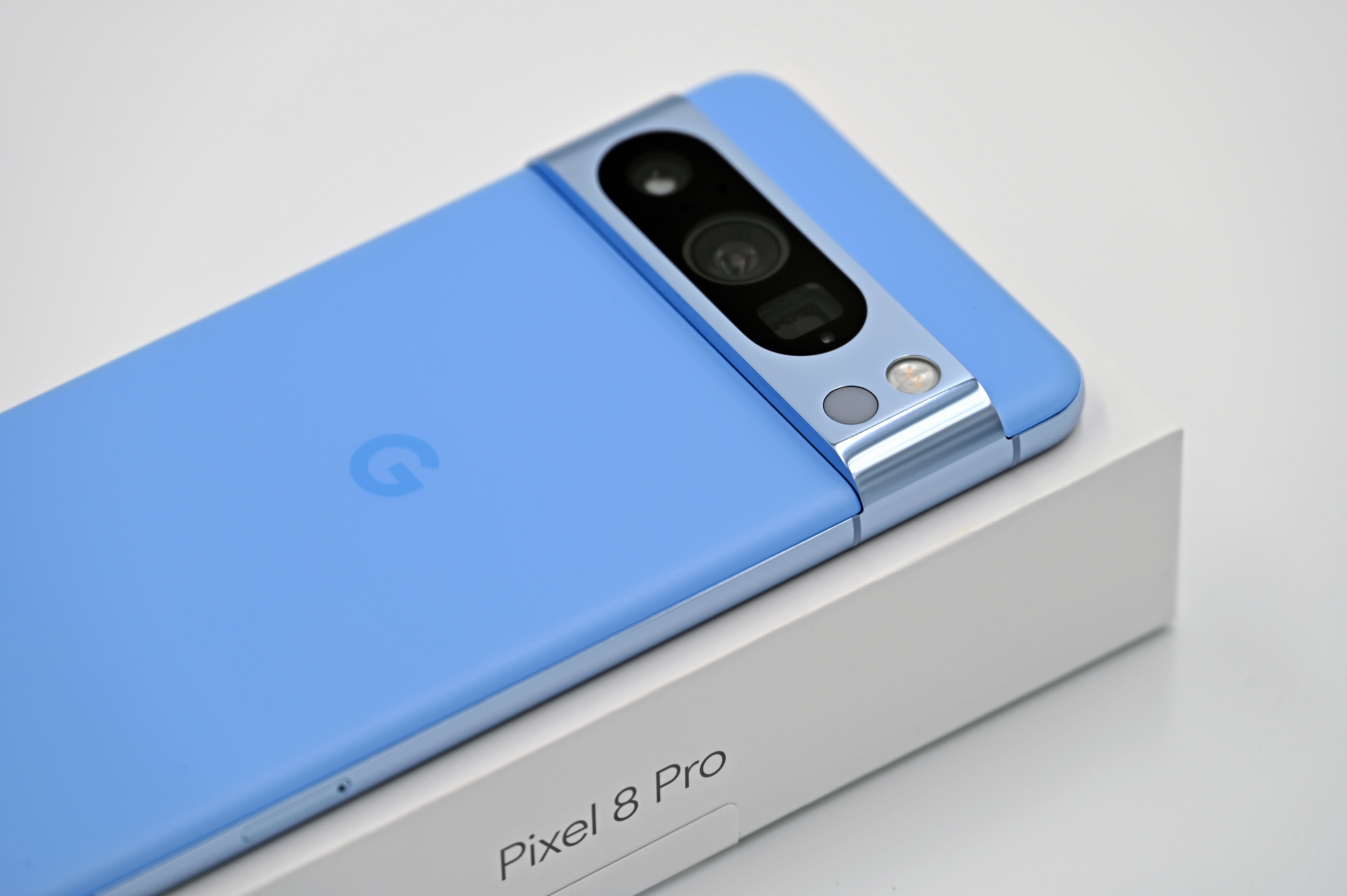
Google used an October 15 update ahead of International Repair Day to highlight changes aimed at keeping its devices in service longer. The company says its Certified Refurbished program has added the Pixel 9 series in the United States, with advertised savings of up to 45%, and expanded to the Google Store in Japan this October. Those are program-level announcements, not a guarantee that every model or configuration is currently in stock.
Google also describes a simpler self-service repair flow integrated with its Your Devices page, country-specific repair information, and support tools in the My Pixel app. Its hardware discussion emphasizes the modular construction of Pixel Watch 4 and 5, alongside the newly announced Fitbit Edge and its replaceable battery.
Repairable does not automatically mean inexpensive
There is independent support for part of that hardware story. Repair specialist iFixit lists a provisional 9-out-of-10 score for the Pixel Watch 5, praising access to the screen and battery, the use of gaskets, and the availability of official parts and instructions. Its assessment also flags potentially expensive display replacements and uncommon Torx Plus drivers. That qualification matters: an accessible component can still be costly to replace.
Google’s repair guidance supplies another practical limitation. Walk-in repair is available for phones, and the company recommends checking parts and appointment availability before visiting a provider. It advises backing up data and, on eligible phones, using Repair Mode. A repair partner assesses the device and provides a cost and time estimate; additional charges require approval.
Compare three realistic options
Our take: the useful comparison is between repairing the device you already own, buying a refurbished replacement, and buying new. Start with a written repair estimate. Then compare the exact storage configuration and condition of the replacement you would actually purchase. An advertised maximum discount can be less informative than the price difference between those two specific options.
Include inconvenience in that calculation. A relatively cheap repair is harder to choose if it leaves you without a necessary phone for an uncertain period. Conversely, replacing a familiar device can create its own work through setup, accessories, and account transfers. The best answer depends on whether the fault is isolated or part of a broader pattern of problems.
For a watch, ask what happens when the battery eventually wears out and what a broken screen would cost. For a phone, check the remaining software-support period alongside the purchase price. Those questions turn repairability from a marketing attribute into a useful ownership decision.
Google’s expansion is meaningful because it offers more ways to keep functioning hardware in circulation. The next test is execution: understandable estimates, available parts, and repairs that make economic sense. The most sustainable purchase may be no purchase at all when an affordable fix can extend the life of what is already on your wrist or in your pocket.