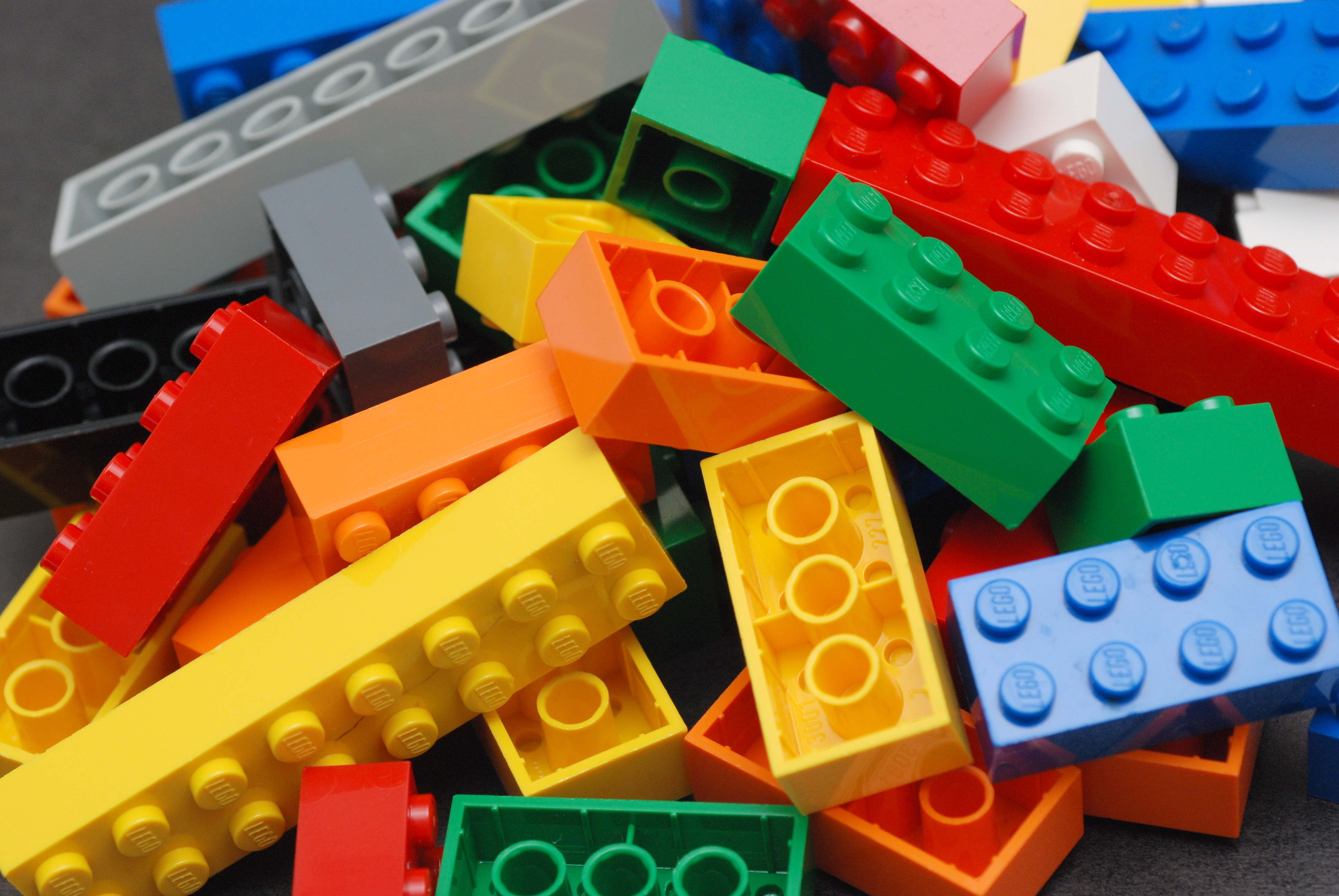
LEGO says it has started using e-methanol in the manufacture of more than 90 types of rigid elements, including connectors, cross axles and minifigure hands. The September 30 announcement describes a supply-chain change developed through more than five years of partnership and testing.
According to the company, the process uses renewable electricity to produce hydrogen, then combines it with carbon captured from a biogas facility to make methanol. That material can be used in plastics production. LEGO also says it enters a continuous manufacturing loop where virgin fossil inputs remain present. The announcement does not mean every affected piece is entirely fossil-free.
What the wider numbers describe
On its materials information page, LEGO says 52% of the materials it bought for bricks and elements in 2025 came from recycled and renewable sources, largely through mass balance. In that approach, suppliers mix certified renewable and fossil feedstocks and account for their contributions. A purchasing figure is therefore different from a direct measurement of the material inside one particular toy.
The company presents both direct material changes and mass balance as tools toward its 2032 materials ambition. These are company-reported progress statements, not an independent assessment of the full environmental impact of the new process.
Analysis: ask which claim is being made
For shoppers, the useful distinction is between a change in a supplier's inputs, the measured composition of an item and the emissions associated with its whole life. Those questions can have different answers. A lower-fossil manufacturing input is worth investigating, but it does not by itself quantify transport, production energy or the impact of replacing a product that already works.
This is also a business story about scale. A promising alternative has to fit the actual factory process and meet the product's performance requirements. The important next evidence would be how much material the process supplies, what independent accounting verifies and how its environmental footprint compares under clearly stated assumptions.
For a family with a collection already in use, no change of purchasing plans follows automatically from this announcement. Keeping usable pieces in circulation and evaluating new purchases on their actual merits remain separate decisions from judging a manufacturer's supply-chain progress. The headline is a specific materials milestone, with broader claims still requiring broader evidence.